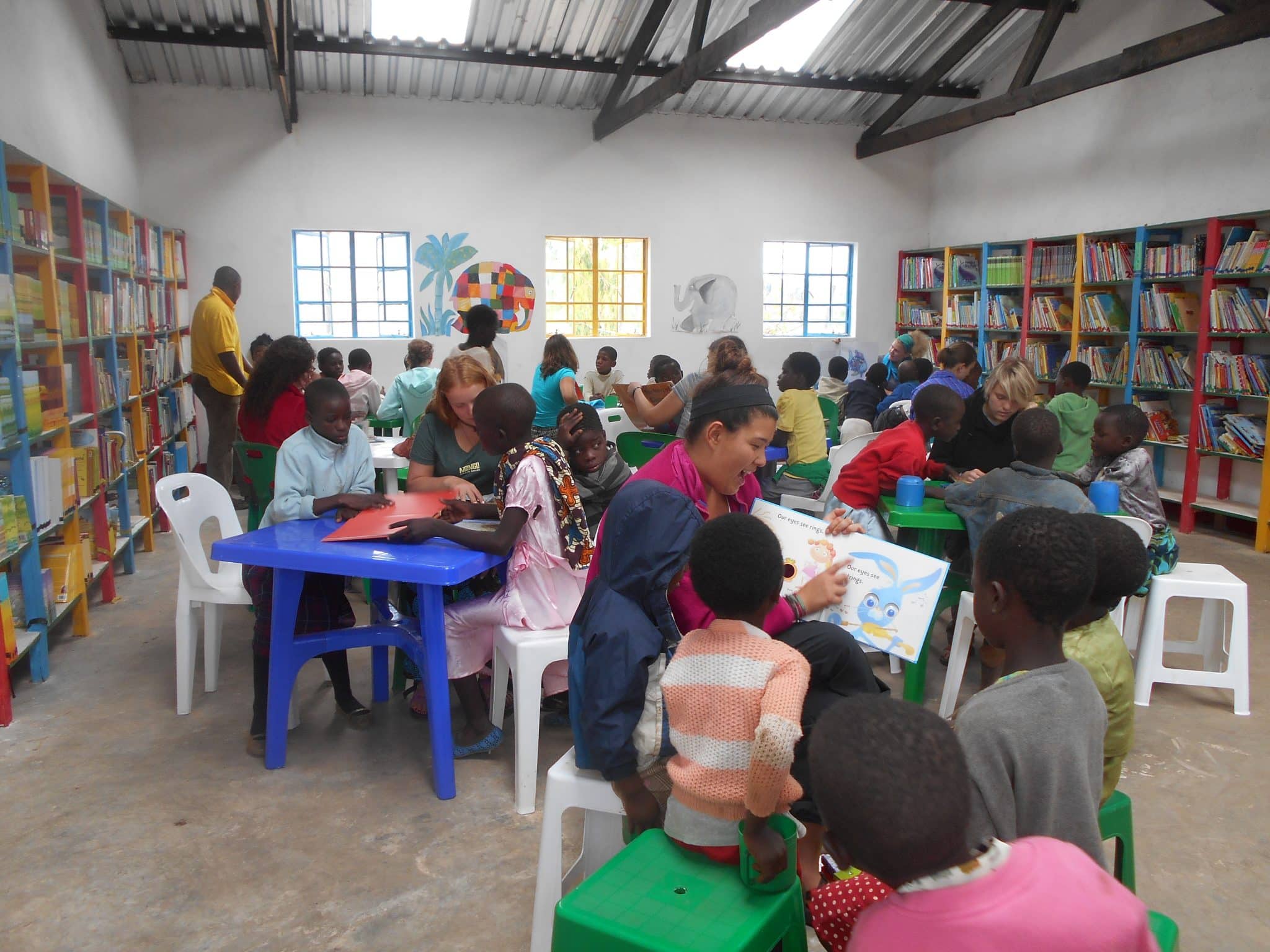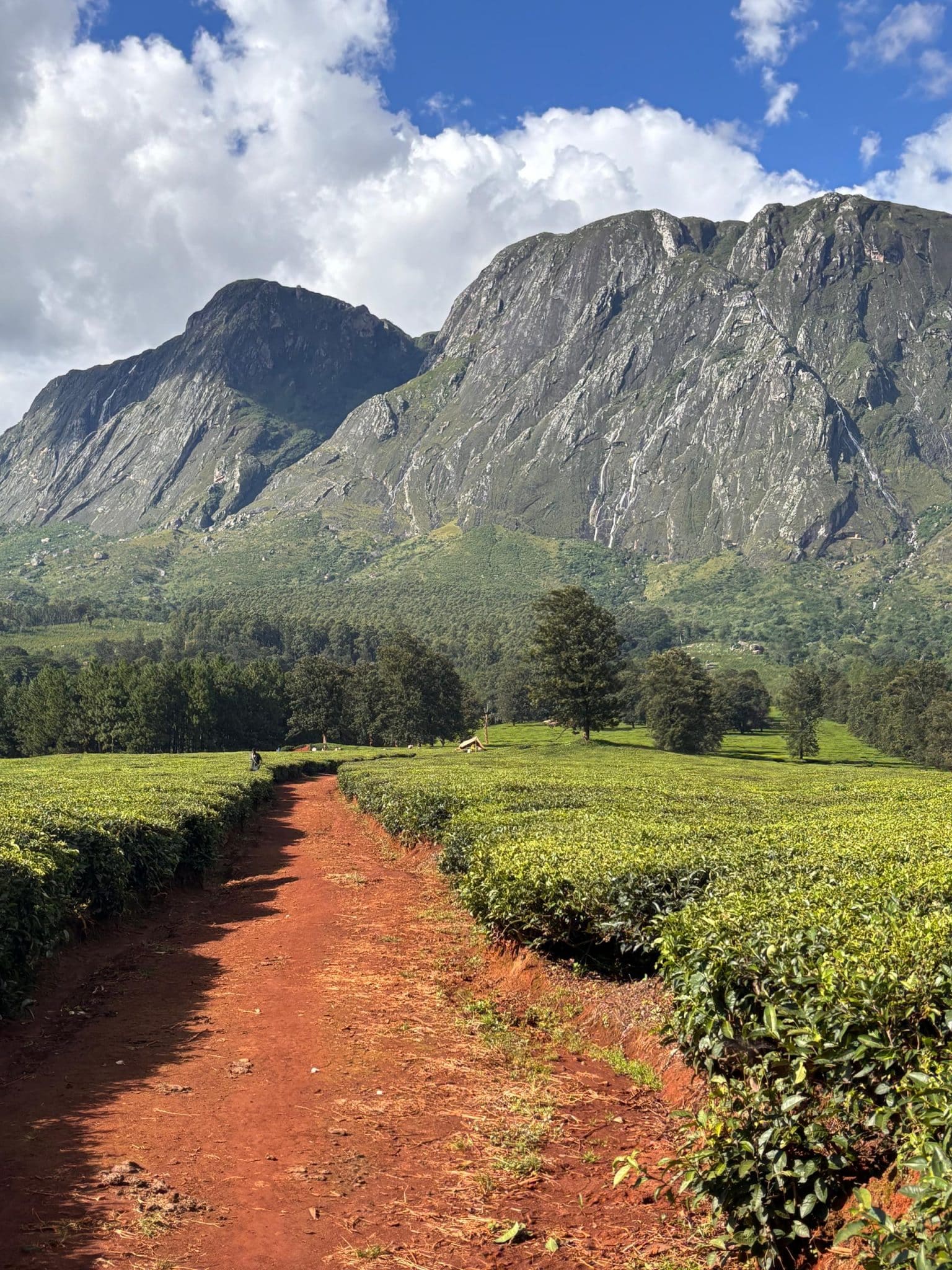
Families have joined in with community projects for almost two decades. We’ve trekked the mountainside with both teenagers and tiny tots. Stepping into homes and communities with open doors and hearts.
Malawi is known as the warm heart of Africa for a reason. It’s a safe, welcoming place to visit. Especially when you visit us! Fisherman’s community projects are connected to hundreds of families changing their lives for the better. Projects are focused on families earning more money through planting trees, students being sponsored through school or university, and children (and adults) staying healthier because safe water flows always in their communities…
For that reason, when you’re out and about, women, men and children wave and beckon you over to share their homes and lives with you. There’s no quick or token ‘hour at a school’ with us.
What is it like to travel to Malawi with your Family?
Last year 15 year-old William and his family travelled to Malawi to be a part of the Fisherman’s Community and experience life in Malawi.
Here’s his thoughts on what it was like to travel with his family to Malawi and get involved in community life, projects and culture!
“Hi, I’m William. I’m 15 and I went to Malawi in early 2025 over Easter. Before my visit I was excited, however also a bit apprehensive as I didn’t have much travel experience and had little idea of what to expect.
Upon arrival I was excited yet also unsettled by the major differences between Malawi and England – the heat, the insects, the lack of running water and the regular power cuts! However, I quickly settled in because of the friendly welcome we received.
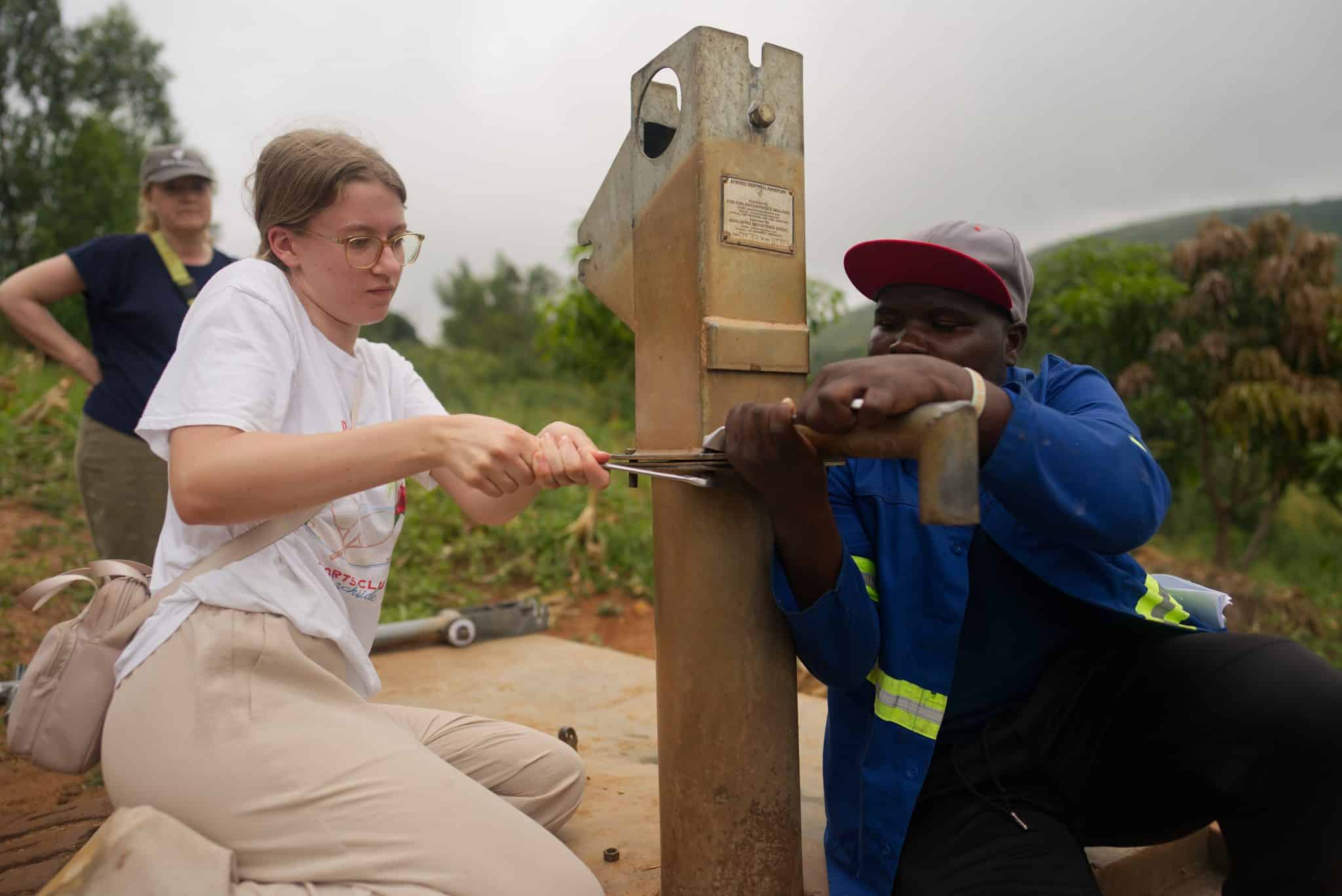
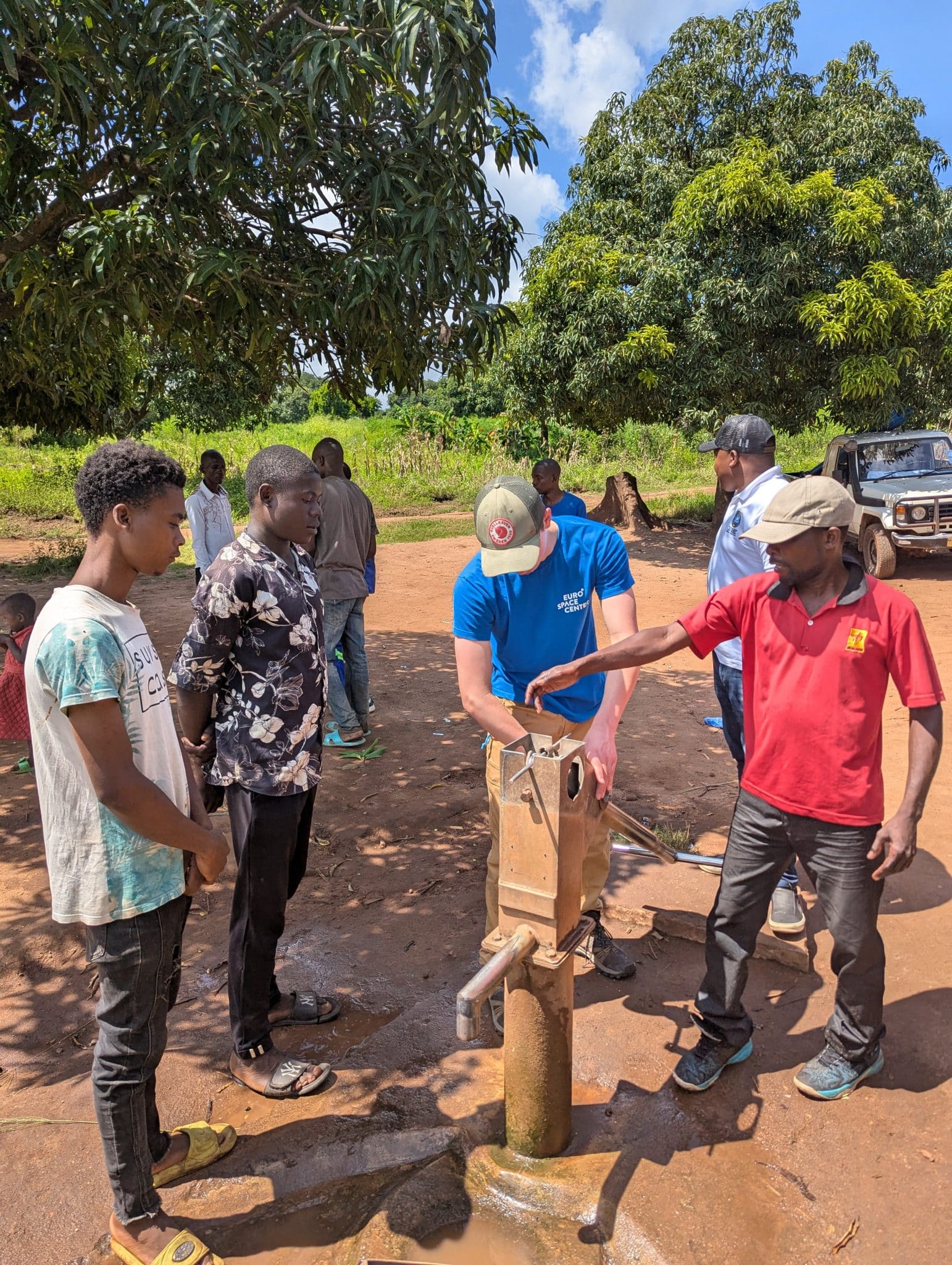
One day I remember fondly, we went out to work on the Madzi Alipo (There is Water) project. My family, along with some members of staff, got into the back of a pickup truck and drove off to a small nearby village where we had to replace the parts for a damaged well.
Before we began the repair work, we got to meet some of the residents who were very friendly and let us attempt to carry some buckets of water on our heads the way they do when transporting them. Each of us managed to do it without too much water spilt but far from as effortlessly as they had.
After that, it was time to get to work. We started by unscrewing and then removing the top of the pump, this was difficult as the screws were done very tightly but with the help of some of the staff we managed to get it off. After this the next step was to pull out the metal pole which ran all the way down the 30 or so metres of tubing. At the bottom we found the rubber seal had been pierced by a large chunk of metal which was why the pump had been faulty, so we replaced it with a new stronger one. Removing the pipe was the next step, it was pulled up with rope, we would then saw off the section which had been brought to the surface and repeat until we were done. After that we needed to replace the tube with a new one, which we did and then put back the long metal pole going down the middle and re-tightened the top.
Just as we finished, the village children returned from school and came to investigate the work we had done. They helped us test it out and played in the stream of water it created. Then they taught us some of their games, one of which was called “Like I do Like I do”. In this game one person stands in the centre of a circle and performs a set of actions which must then be repeated back at them. They then choose the next person to go in the centre, and it repeats like that. We played it a lot during our 2 week stay in Malawi and it was clearly very popular among the children there.
Overall, I remember the trip fondly and consider it a great and eye-opening experience. It really makes you think about how lucky we are and consider how we can help those less fortunate than ourselves. I wouldn’t hesitate to recommend it to anyone interested.”
Where do families stay in Malawi?
You don’t get a narrow version of Malawi or Africa when you take part in community projects, it’s a full-on experience. And for that reason we host your stay from start to finish.
We:
✔️ do airport pickups.
✔️ host you, cook for you and explain Malawi to you.
✔️ walk through your project days with you.
✔️ do your drop off to Mulanje, the Tea Estates.
✔️ take you to Majete to experience your Safari.
Why?
Because every moment feeds into the next and we can promise you a few things.
- You’ll have questions and they’re not linear, processing time is needed. Yesterday’s borehole repair might become tomorrow’s question and we are here to answer then, and where we can’t, we’re here to process with you.
- Nothing gives us more pleasure than building relationships and connections with you. That’s what our projects are about and that’s what our travel is all about. You feeling welcome, safe, amazed, relaxed, full of life, grounded, sad, happy. All the emotions. We’re your safe space to explore the harder, but beautiful parts of life and travel.
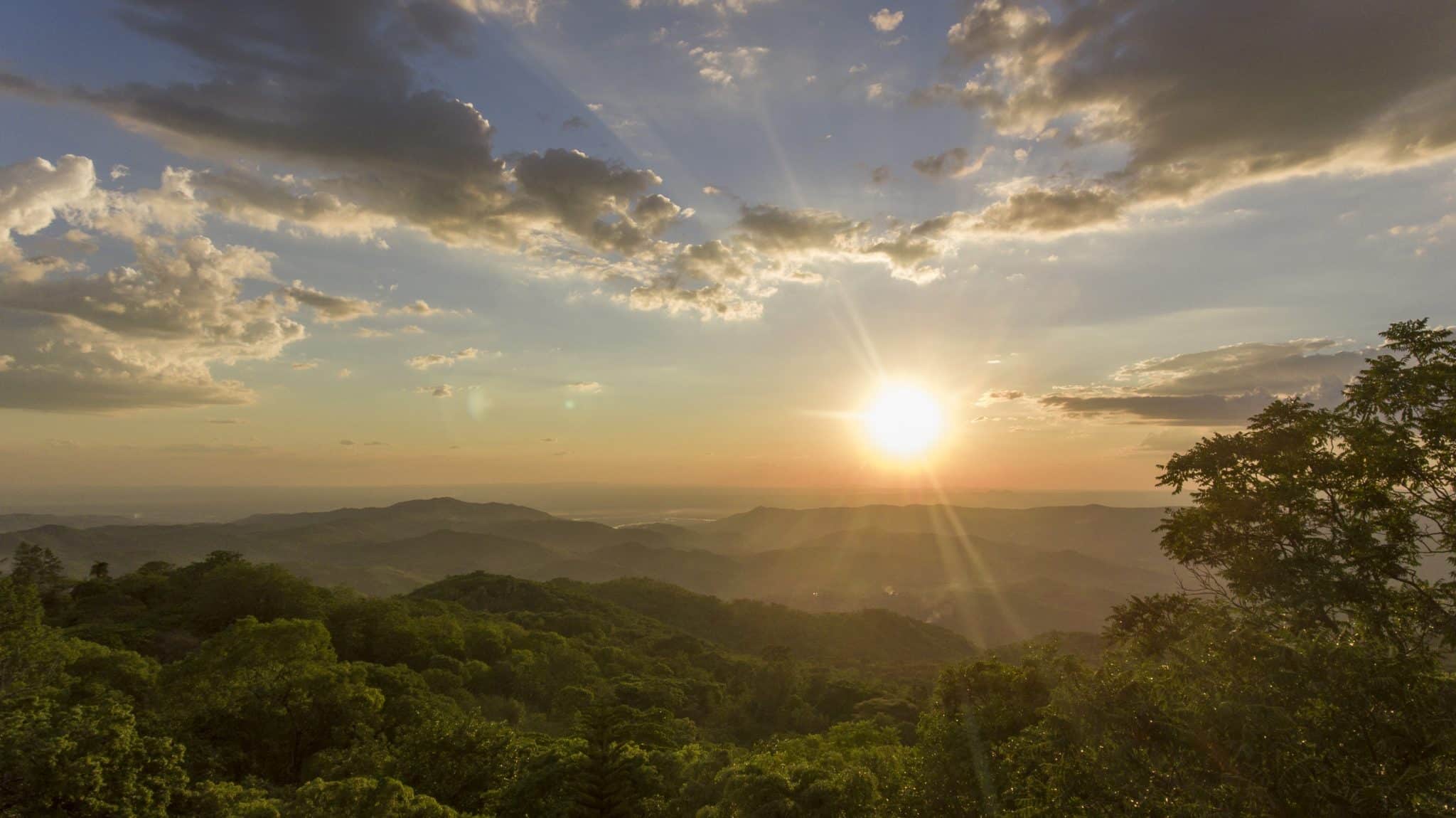
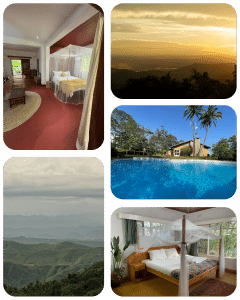
Because of the full-on nature of your stay, we make sure you have simple comforts at Fisherman’s Rest Lodge and Nature Reserve. There’s a pool, cafe, impala in the forest, views for days and comfy beds.
Why Malawi is known as the Warm Heart of Africa
Malawi is known as the Warm Heart of Africa not because of its climate, but because of its people. Warmth here is shown in small, everyday ways — in how you’re greeted, welcomed, and included. Life is lived with a strong sense of community, where time is made for one another and hospitality is offered naturally, without expectation. For many families who visit, this gentleness leaves a lasting impression, especially on young people, who begin to see that travel can be about connection and perspective, not just a destination.
FAQ’s
Is Malawi safe to travel to?
Yes, Malawi is considered safe for tourists. Unlike some destinations in Africa, Malawi is still relatively undiscovered and untouched by tourists and tourism, which makes it the ideal destination for travellers looking for an authentic and crowd free African experience.
How old do children need to be to travel to Malawi and take part in projects?
Children can travel to Malawi at any age. However, we suggest 8 years old and upwards to engage in projects. We want to see you making life-impacting and lasting memories and the most of the opportunities in Malawi.
How long do you recommend families to spend in Malawi?
We suggest 2 weeks or longer. Have a look at our two week itineraries here. If you can stay longer contact us for a bespoke travel plan.
Is food family friendly?
We think so! Food is sugar-free and locally sourced, simple “meat and potatoes” style meals. Rice and stew are a Malawian staple. You’ll also have the chance to try nsima and local greens like mustard and pumpkin leaves. Bread, spreads and filled sandwiches are the norm for lunches. If you have specific dietary requirements please let us know.
Is accommodation safe?
Yes. Accommodation at Fisherman’s Rest is safe. It is within fenced, guarded grounds (normal for Malawi) and doors are all lockable.
How much does it cost to travel to Malawi as a family?
We like to keep pricing transparent. Have a look at our itineraries for what a trip to Malawi would cost your family.