
COMMUNITY STORIES | MALAWI | FISHERMAN’S REST
By the Fisherman’s Rest team
Lovenes Maxwell is eight years old. In Malawi food poverty is part of her day. Every morning, before the sun is fully up, she and her friend Pilani leave their homes and start walking. The school is 8 kilometres away, on the other side of terrain that climbs and drops along the steep edges of the Great Rift Valley. They run the first half while it is still cool. By the time the sun is high, they slow to a fast walk.
They don’t eat before they leave. There is no food at home.
For most of Lovenes’ short life, that walk on an empty stomach, in the heat, over ground that would challenge most adults, was the reason her family hadn’t considered school a realistic option. The journey was simply too much for a child who hadn’t eaten. Her body couldn’t sustain it, day after day, especially through the rainy season when the paths turned slippy and the air sat heavy, threatening a downpour.
Then the Phala Project arrived at Masuku school, and everything changed.
Lovenes and Pilani are among the first in their families’ entire history to attend school. When asked what they imagined they would be when they grew up before they started coming to Masuku, they gave the same answer without hesitation.
“We couldn’t imagine being anything. We would just be at home.”
These are bright, articulate girls describing, quite matter-of-factly, a world in which the future didn’t exist as a concept worth thinking about. Not through lacking intelligence or curiosity, but because of the daily reality of hunger and school distance.
Pilani wants to be a doctor now. Lovenes wants to be a teacher.
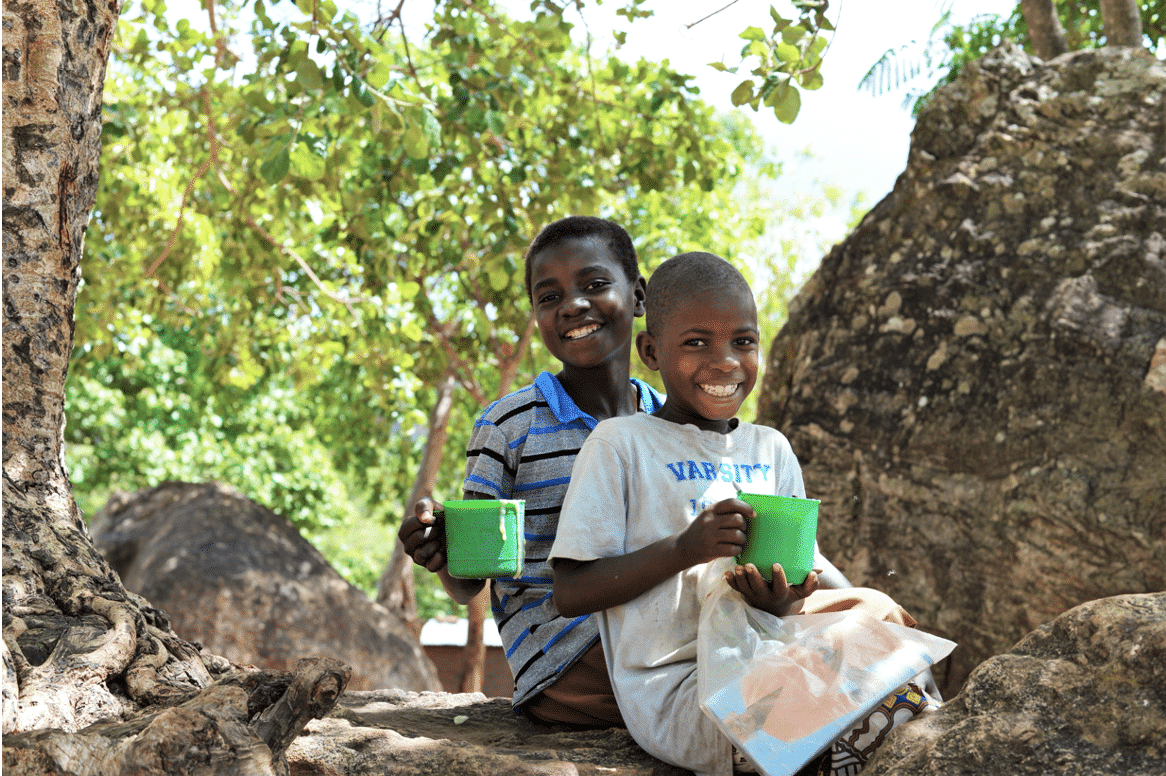
Their description of the daily journey to school is an honest account of daily life in rural Malawi. There is no drama in the way they tell it, it’s a pragmatic reality and one you’ll experience when you travel here to visit us in Malawi
“We wake up very early. We don’t know what time because we don’t have a watch or a clock, but we know we have to leave just before the sun comes up. Whilst it is still cool we run, because we know school starts at about 7:15 and if we walk we will be late. The second half we try to just walk quickly because the sun is already high and it is already hot.”
The girls walk eight kilometres before breakfast, at eight years old.
And now, because there is food waiting for them at the end of it, they do it everyday.
“Now we have the food at school we know we have enough energy to get there and back, no problem. We are even less hungry if we walk to school than if we stay at home. It means we can have an education.”
Education in rural Malawi is free, but the barrier isn’t always fees. Sometimes the cost is the energy it takes to get there, and for families living below the poverty line during the hunger season, that cost is real.
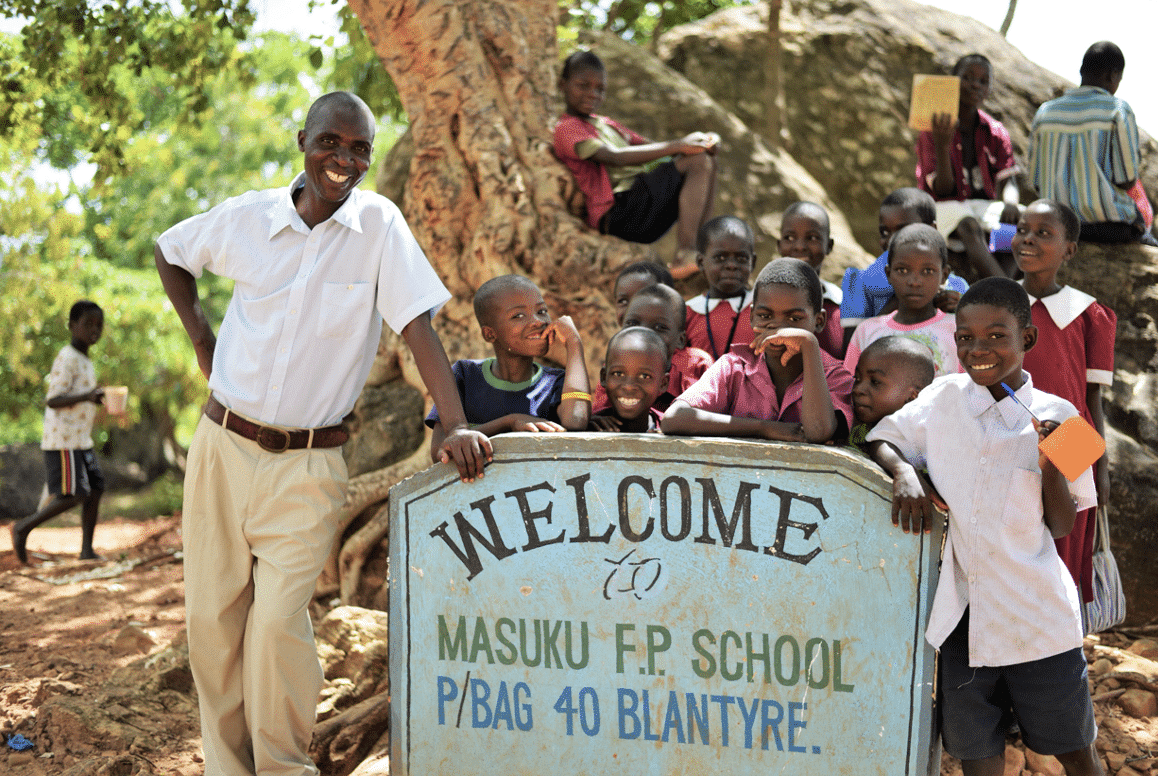
Watson Tanga, headmaster of Masuku school when the Phala project started, reported the shift in the data as clearly as he could see it in the children sitting in his classrooms.
“These girls are two of many. After the Phala arrived at our school, the number of learners increased from 448 to 527. Absentee and dropout rates have fallen, and the children are able to concentrate far better without hunger.”
Before the programme, the hunger season, a period each year when food stocks run low and families struggle most, he could see almost 45 percent of students stop attending.
Many of those children weren’t staying home by choice. They were out helping their parents find food. Doing piece work or helping other families in exchange for food, the alternative is going hungry.
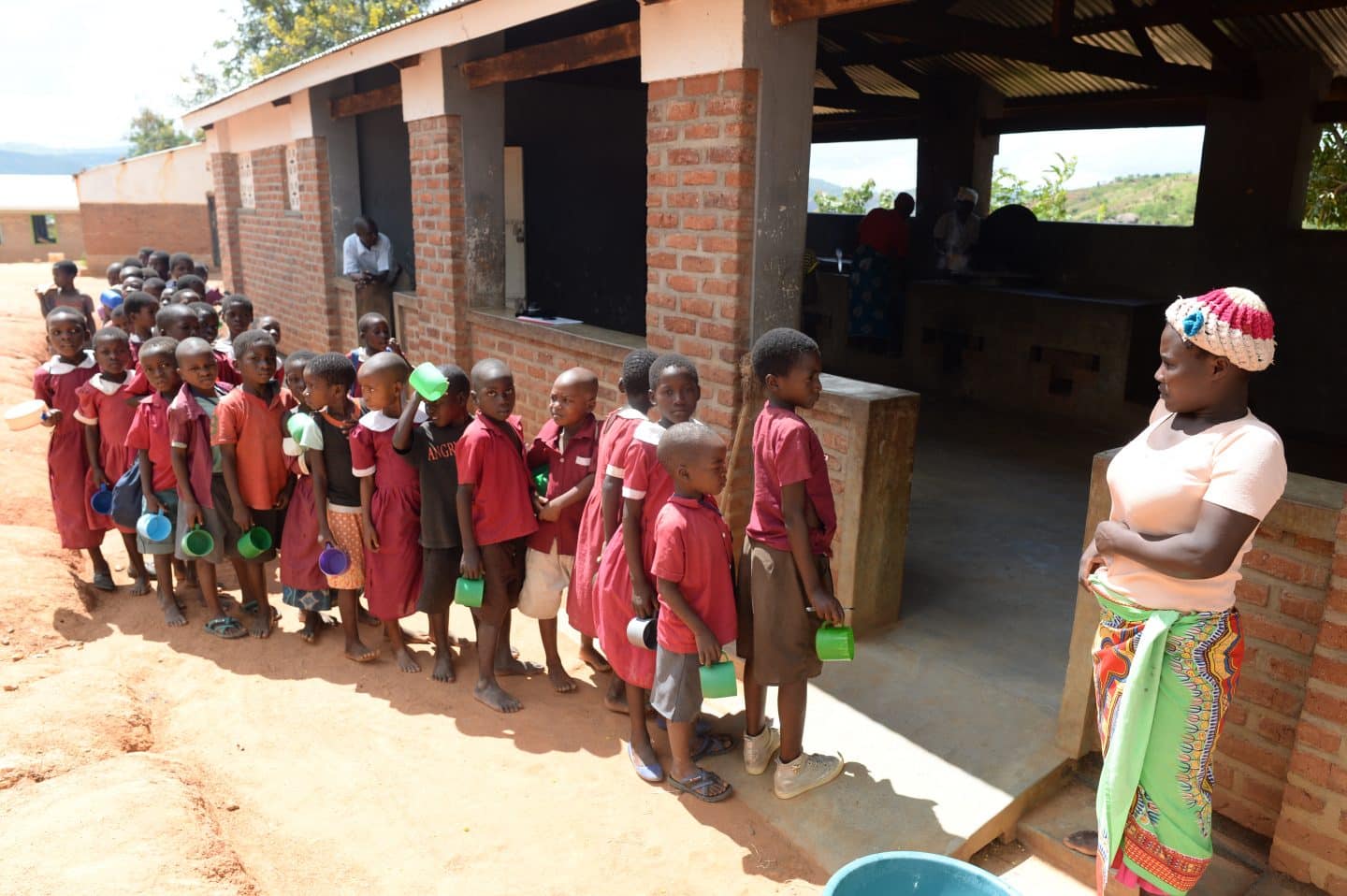
All it took was a small plastic cup of nutritious fortified porridge. And from that cup, attendance climbs, concentration returns, dropout rates fall and children who previously couldn’t imagine a future start to build one.
Stories like Lovenes and Pilani’s are not unusual in rural Malawi. In fact with seasons changing and the country struggling economically, this is the norm for millions of children growing up in communities where the basics that most people in the UK take for granted (food, clean water, a short walk to school) require planning, physical effort and sacrifice that most of us will never have to make.
Understanding this is part of what it means to travel to Malawi with genuine curiosity. Understanding life here, the early waking, the long walks, the careful rationing of food and firewood, the pride in a child who has made it through the school system and into university are the stories you’re a part of when you visit and support us.
And they’re huge.
The Phala Project is one of several community programmes that Fisherman’s Rest Community Projects has sustained over many years. When guests stay at Fisherman’s Rest Lodge, they are directly supporting a Malawian NGO and UK-registered charity whose work reaches rural schools and students like Loveness and Pilani, plus the community centre Tilitonse, water point repairs across Blantyre Rural and families planting trees for household income throughout the surrounding villages.
Guests who visit us are part of the vision. The vision for removal of food poverty and insecurity, hope for a future where life isn’t a struggle and opportunities are always around the corner.
You won’t visit as an observer. You’ll be welcomed in as part of the furniture, alongside staff and community members who have been building this work for decades. And you’ll start to understand that in that small plastic cup of porridge, in the potential of a planted seedling, in a pump of clean water, there is a great deal more than face value let’s on.
What is the Phala Project?
The Phala Project provides daily nutritious fortified porridge to children at a handful of primary schools in rural Malawi. For many children it is the only meal they will eat that day, and for schools in remote areas it has transformed attendance, concentration and retention rates.
What is daily life like for children in rural Malawi?
For many families in rural Malawi, daily life is shaped entirely around basic needs — water collection, food, firewood. Children often walk long distances to school and may not eat before they leave home. During the hunger season, attendance at some schools fell to as low as 55% before breakfast programmes were introduced.
Can visitors to Fisherman’s Rest meet the communities behind these projects?
Yes. Guests at Fisherman’s Rest spend time at Tilitonse Community Centre and join project days that take them into the communities where this work happens. You won’t be observing from a distance, you’ll be welcomed into daily life alongside the people and projects you read about here.
How does travel to Malawi support projects like this?
When guests stay at Fisherman’s Rest, they are directly supporting the NGO/charity. Helping to fund and run programmes, such as Madzi Alipo the water maintenance programme, tree planting and school support. Every visit contributes to work that continues long after guests go home.
Is Malawi safe to visit with a family?
Malawi is consistently rated one of the most peaceful countries in Africa. Fisherman’s Rest hosts families with children of all ages and manages the full trip from airport collection to departure, so families are guided and supported throughout their stay.
To keep up to date on all Fisherman’s Rest news, including new trips, project work and good news stories, join our mailing list.
When booking a trip with us, you create an account. The login details you created when doing so will gain you access to our Trip Portal. If you still have issues gaining access, head over to the Login page and click Lost Your Password?